
Jet Fuel Storage Services
Strategic Jet Fuel Storage Solutions for Global Aviation Markets
Jet fuel storage plays a critical role in supporting global aviation supply chains, international fuel distribution, and commercial aviation operations. As demand for air transportation continues to grow worldwide, reliable jet fuel storage infrastructure helps suppliers, traders, distributors, and procurement teams maintain inventory availability while supporting efficient fuel logistics.
Sunivo Tank Storage supports global energy markets through professional jet fuel storage services designed to facilitate aviation fuel management and distribution operations. Located in Houston, Texas, one of the world’s leading energy hubs, we help businesses access strategic storage solutions that support aviation fuel logistics, international fuel trade, and supply chain continuity.
Whether you are managing Jet A1 inventories, supporting aviation fuel exports, coordinating fuel distribution, or seeking storage capacity for commercial operations, jet fuel storage remains an essential component of today’s aviation fuel supply chain.
Aviation fuel suppliers, fuel traders, importers, exporters, airlines, airport fuel operators, and procurement managers often require reliable jet fuel storage capacity to support inventory positioning, aviation fuel distribution, and international trade activities. Strategic storage solutions help businesses maintain product availability while improving operational flexibility across global aviation markets.

How Jet Fuel Storage Creates Commercial Opportunities
Jet fuel storage is not simply about maintaining fuel inventory. Strategic storage capacity helps aviation fuel suppliers, traders, distributors, and procurement teams improve inventory management, support fuel distribution, and respond more effectively to changing market conditions.
Aviation Fuel Distribution Efficiency
Reliable jet fuel storage supports product availability, efficient aviation fuel distribution, and supply chain continuity across domestic and international markets.
Export Market Readiness
Jet A1 storage supports export readiness, inventory availability, and international aviation fuel trade operations.
Inventory Optimization
Strategic inventory positioning allows businesses to maintain fuel availability while improving operational flexibility.
Supply Chain Resilience
Storage solutions help organizations manage disruptions, transportation delays, and changing market conditions more effectively.
Trading Flexibility
Access to jet fuel storage terminal infrastructure provides fuel traders and aviation fuel suppliers with greater flexibility when managing inventories, supporting transactions, and responding to changing market opportunities.
Business Expansion Opportunities
Reliable aviation fuel storage infrastructure can support entry into new markets and strengthen long-term commercial operations.
Why Jet Fuel Storage Matters in Modern Aviation Markets
Global demand for aviation fuel continues to support passenger transportation, cargo operations, airport activities, and international aviation networks worldwide.
Aviation fuel suppliers, fuel traders, importers, exporters, airlines, airport fuel operators, and procurement managers rely on strategic jet fuel storage capacity to maintain inventory availability, support aviation fuel distribution, and facilitate international trade activities.
Benefits of Jet Fuel Storage Include:
- Maintain fuel availability
- Support aviation fuel distribution
- Improve inventory management
- Strengthen supply chain continuity
- Support international fuel exports
- Improve logistics planning
- Enhance commercial flexibility
As global aviation markets continue to evolve, access to reliable jet fuel storage capacity helps businesses improve operational efficiency, support export readiness, and respond more effectively to changing market conditions.
Business Challenges Solved by Jet Fuel Storage
Managing Aviation Fuel Inventory Requirements
One of the biggest challenges facing aviation fuel suppliers and airport fuel operators is maintaining adequate fuel inventories while adapting to changing market conditions. Jet fuel storage helps businesses maintain strategic inventory levels without disrupting operations.
Addressing Supply Chain Disruptions
Transportation delays, geopolitical developments, weather events, and market disruptions can affect fuel availability. Storage infrastructure provides a buffer that helps organizations maintain continuity and reduce operational risk.
Supporting Export Operations
International fuel shipments often face scheduling adjustments and logistical challenges. Strategic jet fuel storage helps businesses maintain flexibility while supporting export readiness.
Navigating Market Volatility
Aviation fuel markets can experience rapid changes in pricing and demand. Access to storage capacity helps companies respond more effectively to shifting market conditions and commercial opportunities.
Improving Distribution Coordination
Jet fuel storage facilities and aviation fuel terminals serve as important links between suppliers, transportation networks, distributors, airports, exporters, and end user.

Verification and Due Diligence in Jet Fuel Storage
Before entering commercial agreements, businesses should conduct appropriate due diligence when evaluating aviation fuel storage providers.
Evaluate Storage Capabilities
Organizations should verify that storage facilities can support operational requirements and inventory objectives.
Review Documentation
Documentation plays an important role in supporting transparency, accountability, and commercial confidence.
Assess Operational Standards
Storage providers should demonstrate professionalism, responsiveness, and a commitment to supporting customer requirements.
Understand Commercial Processes
Clear communication regarding storage procedures, commercial terms, and operational expectations helps improve transaction efficiency.
Reduce Commercial Risk
Verification helps businesses make informed decisions while strengthening confidence throughout the storage and logistics process.
Why Houston Supports Global Aviation Fuel Trade
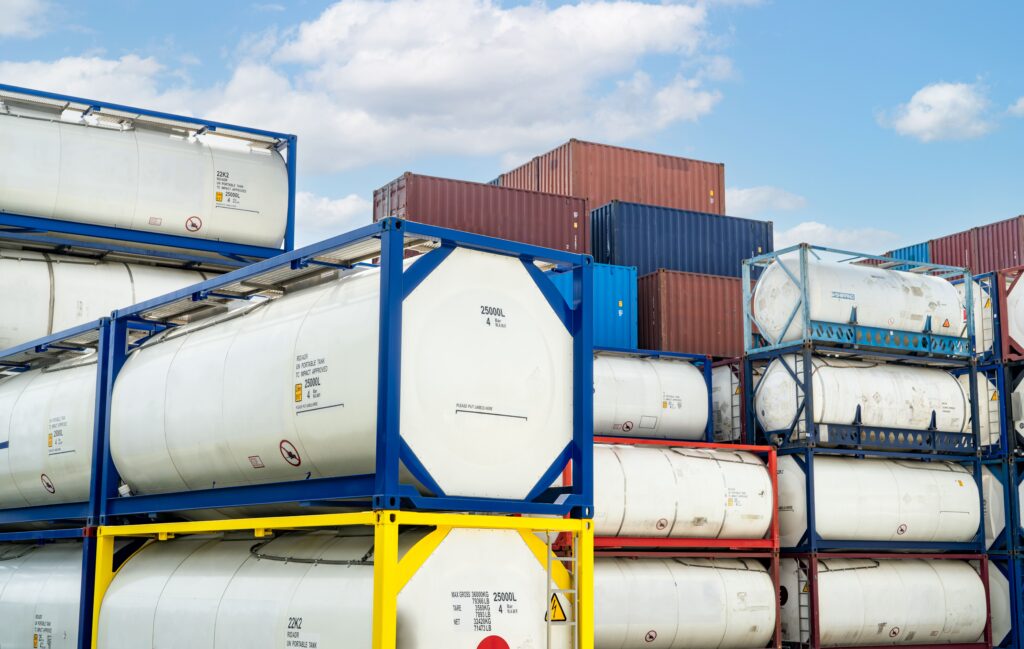
Houston remains one of the world’s most important energy and logistics hubs, providing strategic advantages for businesses involved in aviation fuel storage and international fuel trading.
Benefits Include:
- Access to major export infrastructure
- Extensive pipeline connectivity
- Strong transportation networks
- Global shipping access
- Established energy markets
- Strategic Gulf Coast location
These advantages help support efficient jet fuel storage, aviation fuel distribution, and export operations.
Houston Jet Fuel Storage Advantages
Houston jet fuel storage facilities benefit from direct access to export infrastructure, pipeline systems, refining capacity, and international shipping networks. These advantages help support aviation fuel logistics, distribution efficiency, and international trade operations.
Business Challenges Solved by Jetfuel Storage
Managing Inventory Flexibility
One of the biggest challenges facing energy companies is maintaining adequate Jetfuel inventories while adapting to changing market conditions. Jetfuel Storage helps Airline businesses maintain strategic inventory positions without disrupting ongoing operations.
Addressing Supply Chain Disruptions
Unexpected transportation delays, weather events, geopolitical developments, and market disruptions can impact Jetfuel movements. Storage infrastructure provides a buffer that helps Airlines organizations maintain continuity and reduce operational risk.
Supporting Export Operations
Export schedules rarely move perfectly. Delays at ports, shipping adjustments, and documentation requirements can create logistical challenges. Jetfuel Storage helps Airline businesses manage these variables while maintaining flexibility throughout the export process.
Navigating Market Volatility
Jetfuel markets can change rapidly. Access to storage capacity allows companies to respond more effectively to pricing fluctuations, demand changes, and trading opportunities.
Improving Logistics Coordination
Jetfuel Storage facilities serve as important links between production, transportation, refining, and final delivery. Efficient storage solutions help support smoother logistics planning and execution.
Need Reliable Jet Fuel Storage Capacity?
Whether you are an aviation fuel supplier, fuel trader, airline operator, airport fuel provider, procurement manager, importer, exporter, or commodity trading firm, Sunivo Tank Storage can help support your storage requirements.
Our jet fuel storage solutions are designed to help businesses improve inventory management, strengthen supply chain continuity, support export activities, and maintain operational flexibility within today’s global aviation fuel markets.
Request a Quote
Frequently Asked Questions
Jet fuel storage refers tostorage solutions used to maintain inventory levels of aviation fuels such as Jet A1 for distribution, export, and commercial aviation operations.
Aviation fuel suppliers, airlines, airport fuel operators, fuel traders, importers, exporters, and procurement managers commonly utilize jet fuel storage capacity
Storage helps businesses maintain fuel availability, improve inventory management, support aviation logistics, and strengthen supply chain continuity.
Storage infrastructure helps coordinate inventories, support export readiness, improve cargo scheduling, and facilitate international aviation fuel movements.
Businesses should evaluate location, storage capacity, infrastructure connectivity, operational reliability, and commercial transparency.
Storage capacity provides greater flexibility for inventory management, operational planning, and market participation.
Houston offers extensive energy infrastructure, export facilities, transportation networks, and access to global aviation fuel markets.